
In a world where health and fitness have taken center stage, many people are searching for more accurate and insightful ways to measure their body’s condition beyond the traditional bathroom scale or BMI chart. One such method gaining popularity among athletes, health-conscious individuals, and medical professionals is the DEXA body scan. DEXA, which stands for Dual-Energy X-ray Absorptiometry, is a state-of-the-art technology that provides a comprehensive analysis of body composition, offering a precise look at how fat, muscle, and bone are distributed throughout the body.
Originally developed to assess bone density, particularly in patients at risk for osteoporosis, DEXA scans have evolved to become one of the most accurate and reliable tools for measuring body composition. What sets DEXA apart from other methods—such as bioelectrical impedance, skinfold calipers, or hydrostatic weighing—is its ability to segment the body and provide detailed, region-specific information. With a DEXA scan, you don’t just get a single percentage of body fat; you receive a complete breakdown of fat mass, lean muscle mass, and bone density across different areas like the arms, legs, trunk, and hips.
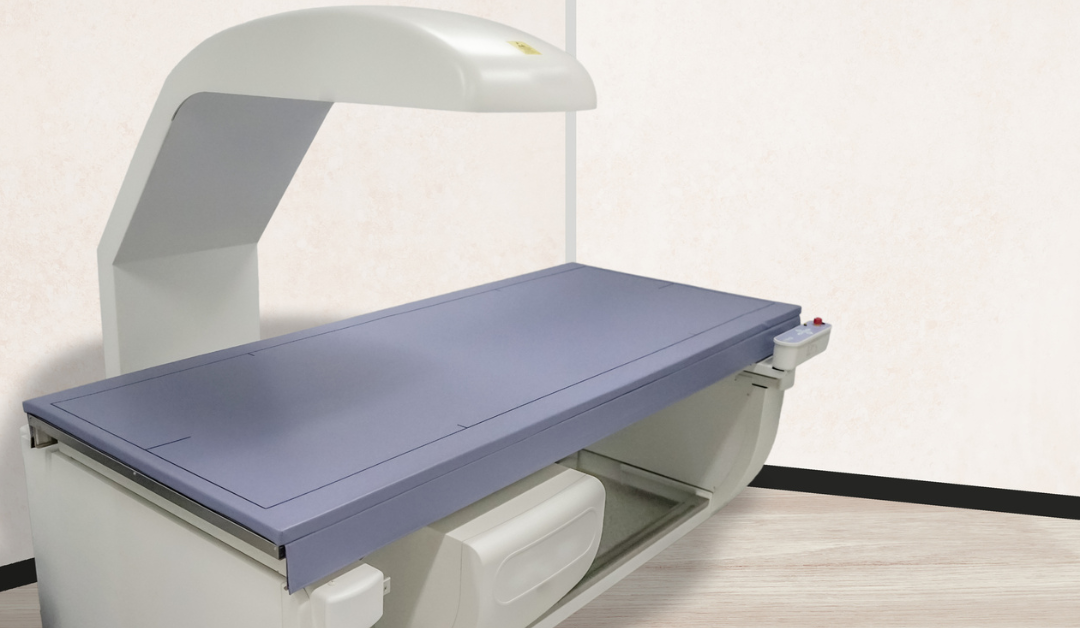
The process of undergoing a DEXA body scan is simple, quick, and non-invasive. During the scan, the individual lies fully clothed on a flat, padded table while a scanning arm passes over the body. The machine uses two low-dose X-ray beams at differing energy levels to differentiate between bone, fat tissue, and lean tissue. It typically takes about 6 to 10 minutes to complete the scan, and the radiation exposure is extremely low—less than what you would receive during a short airplane flight.
One of the major advantages of a DEXA scan is the precision it offers in tracking changes over time. For those working toward fitness goals, trying to lose fat, or build muscle, the scan can detect even subtle shifts in body composition. This makes it an invaluable tool not just for athletes, but also for individuals managing medical conditions such as obesity, diabetes, or metabolic syndrome. By identifying where fat is concentrated—especially visceral fat around the organs—DEXA scans provide insight into health risks that may not be evident through weight alone.
Visceral fat, in particular, is a critical health indicator that traditional weight measurements cannot reveal. High levels of visceral fat are associated with increased risks of heart disease, stroke, and type 2 diabetes. A DEXA scan can quantify this internal fat and help guide lifestyle interventions more effectively than simply monitoring weight loss on a scale.

In addition to body fat and muscle mass, DEXA scans continue to be a gold standard for bone mineral density analysis. Especially for older adults, postmenopausal women, and individuals with a family history of osteoporosis, a DEXA scan can help diagnose the early stages of bone loss, allowing for timely interventions such as dietary changes, exercise, or medications.
The use of DEXA is not limited to clinical settings. Many fitness centers, sports performance labs, and wellness clinics now offer DEXA scans to the public. Some even provide comprehensive reports that include visual maps of body composition, comparisons to healthy population standards, and personalized recommendations for diet and exercise.
Despite its benefits, it’s important to understand that DEXA scans are a tool—not a verdict. Like any diagnostic or monitoring technology, they should be interpreted in the context of overall health, lifestyle, and goals. For example, someone with high muscle mass may show a higher body weight or BMI but have a very low body fat percentage and excellent health markers. Similarly, a person with a “normal” weight might discover through a DEXA scan that they carry a dangerous amount of visceral fat.
In terms of frequency, most experts recommend a DEXA scan every 3 to 6 months for those actively working toward body composition goals, though some may opt for annual scans as part of routine health tracking. The cost of a scan can vary widely depending on location and provider, but many facilities offer packages or discounts for multiple sessions.
In summary, a DEXA body scan offers a deeper, more nuanced look at what’s really going on inside your body. Whether you’re an athlete optimizing performance, someone trying to lose weight more intelligently, or simply a health-conscious individual seeking a more accurate picture of your physical condition, DEXA scans provide critical data that can guide smarter, more effective decisions. With its blend of scientific accuracy and user-friendly application, DEXA is rapidly becoming the preferred choice for body composition analysis across the globe.
Schedule Your Appointment Today
Schedule your DXA scan at DXA Body Composition NC. And take the first proactive step towards understanding and optimizing your health. Our process is quick, painless, and performed on an outpatient basis. The machines we use are comfortable and open, ensuring a stress-free experience.
Don’t let your health journey be a mystery; let DXA Body Composition NC be your guide. Take the next step by scheduling your DXA scan appointment. Contact us today to discover the precision, accuracy, and personalized insights that will propel you toward your health and fitness goals. Your journey to optimal well-being starts here.