

If your healthcare provider has recommended a DXA scan, you may be wondering what to expect. For many patients, the thought of any medical test can cause unnecessary worry, especially if it’s their first time. The good news is that a DXA scan is one of the quickest, safest, and most comfortable imaging tests available.
A DXA scan, also called a bone density scan, measures the strength and density of your bones. It is considered the gold standard for detecting osteoporosis and osteopenia, helping healthcare providers identify bone loss before a fracture occurs. The information gathered during the scan can also help determine your risk for future fractures and guide treatment decisions if needed.
Fortunately, preparing for a DXA scan is simple. Knowing what to expect ahead of time can help you feel more comfortable and ensure the most accurate results.
One of the easiest ways to prepare is by choosing comfortable clothing for your appointment. Loose-fitting clothes without metal zippers, buttons, or belts are ideal because metal objects can interfere with the imaging process. If your clothing contains a significant amount of metal, you may be asked to change into a medical gown before the scan begins.
It’s also important to avoid wearing jewelry or accessories that contain metal. Necklaces, bracelets, watches, and large earrings should be removed before the exam. If you wear removable dental appliances or other metal accessories, your technologist will let you know if they need to be taken off during the procedure.
Before your appointment, tell your healthcare provider about any recent imaging studies you’ve had that involved contrast material, such as a CT scan or certain X-rays. Contrast agents can sometimes affect bone density imaging if the tests are performed too close together. Your provider may recommend scheduling your DXA scan several days after these procedures to ensure accurate results.
You should also mention if there is any possibility that you are pregnant. Although a DXA scan uses an extremely low dose of radiation—far less than many other imaging tests—it’s always important for your healthcare team to know about a possible pregnancy before any imaging study.
Another helpful tip is to avoid taking calcium supplements for approximately 24 hours before your appointment unless your healthcare provider gives you different instructions. Calcium tablets can occasionally interfere with the scan results, so following this recommendation helps improve the accuracy of your test.
Unlike many medical procedures, a DXA scan does not usually require fasting. You can eat your normal meals, drink water, and take most of your prescribed medications unless your healthcare provider instructs otherwise. This makes scheduling your appointment much more convenient since there are very few restrictions.
When you arrive for your appointment, you’ll likely complete a brief medical history questionnaire. Your healthcare team may ask about previous fractures, family history of osteoporosis, medications you take, smoking history, menopausal status, or other risk factors that affect bone health. Providing complete and accurate information helps your provider better interpret your results.
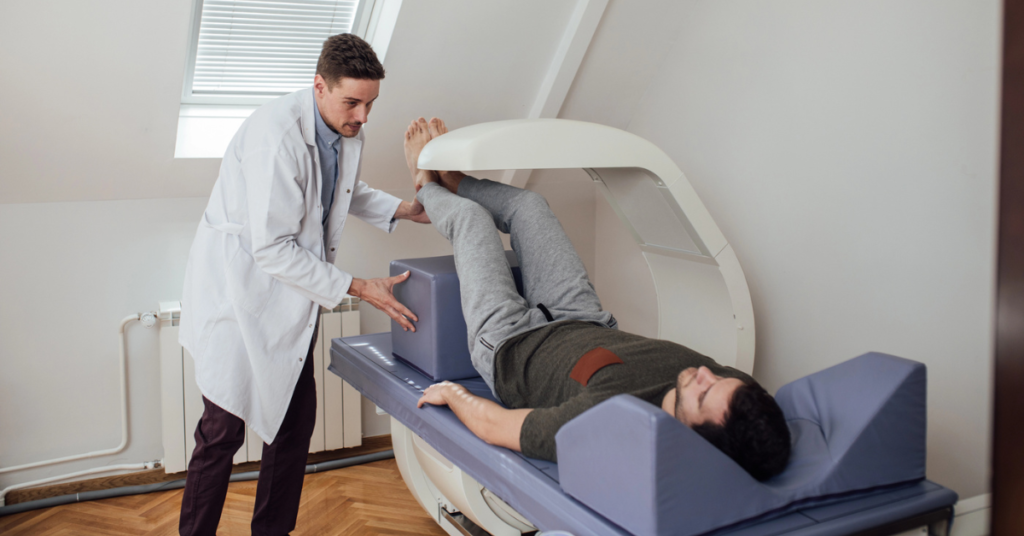
The scan itself is painless and typically takes only 10 to 20 minutes. During the exam, you’ll lie comfortably on a padded table while a scanning arm moves slowly above your body. The machine usually measures bone density in your lower spine and hips because these areas provide valuable information about fracture risk. In some situations, the forearm may also be scanned.
Unlike MRI machines, a DXA scanner does not enclose your body, making it a comfortable experience for patients who experience claustrophobia. There are no injections, no needles, and no enclosed spaces. Most patients simply relax and remain still while the images are collected.
After the scan is complete, you can immediately return to your normal daily activities. There is no recovery time, and you can drive yourself home, return to work, or continue your regular schedule without restrictions.
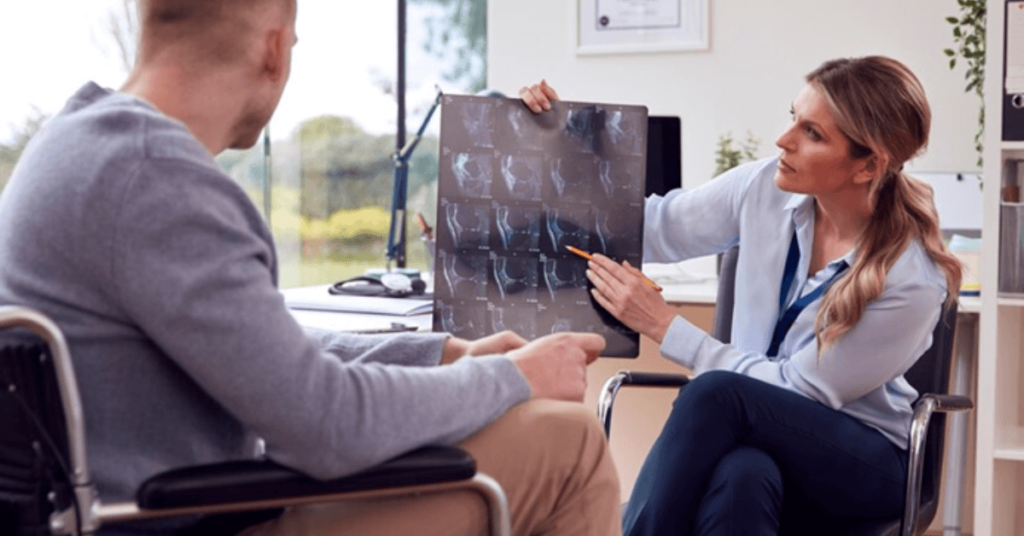
Your results are typically reviewed by a physician who specializes in interpreting bone density studies. They will evaluate your bone mineral density and provide measurements known as T-scores and, in some cases, Z-scores. These values help determine whether your bone density is considered normal, indicates low bone mass, or suggests osteoporosis.
If your results show decreased bone density, don’t panic. Many people successfully manage low bone density through lifestyle changes, medications, proper nutrition, weight-bearing exercise, and regular follow-up care. Early detection is one of the most effective ways to reduce your risk of fractures and maintain your independence as you age.
Preparing for your first DXA scan doesn’t have to be stressful. Wearing comfortable clothing, avoiding calcium supplements before your appointment, informing your provider about recent imaging studies, and arriving with an updated medical history are often all that’s required. The procedure itself is fast, comfortable, and designed to provide valuable information about your long-term bone health.
If your healthcare provider has recommended a DXA scan, don’t delay scheduling your appointment. Early detection of bone loss can make a significant difference in preventing fractures and preserving your quality of life. Taking this simple step today may help protect your health for years to come.
Schedule Your Appointment Today
Schedule your DXA scan at DXA Body Composition NC. And take the first proactive step towards understanding and optimizing your health. Our process is quick, painless, and performed on an outpatient basis. The machines we use are comfortable and open, ensuring a stress-free experience.
Don’t let your health journey be a mystery; let DXA Body Composition NC be your guide. Take the next step by scheduling your DXA scan appointment. Contact us today to discover the precision, accuracy, and personalized insights that will propel you toward your health and fitness goals. Your journey to optimal well-being starts here.