

A DXA scan, short for Dual-Energy X-ray Absorptiometry, is one of the most accurate tools available for measuring bone density and body composition. While many people have heard of bone scans, far fewer understand just how powerful a DXA scan can be for gaining a full picture of overall health. This beginner’s guide breaks down how DXA scans work, what to expect during the process, and why they have become the gold standard for clinicians, athletes, and individuals seeking deeper insight into their bodies.
The first thing to understand is that a DXA scan uses two low-dose X-ray beams at different energy levels to measure the density of bone, fat tissue, and lean muscle. This makes it unique, because most other methods rely on estimates or indirect measurements. For example, a simple scale may tell you your weight, but it cannot distinguish between bone, muscle, or fat. A body fat scale can estimate your fat percentage, but often with large error margins influenced by hydration levels or time of day. A DXA scan, on the other hand, provides a precise and highly consistent breakdown of your body composition. This level of accuracy is the primary reason it is considered the gold standard.
The second important aspect of a DXA scan is its ability to detect early signs of bone loss. Osteoporosis often develops silently over many years, and by the time symptoms appear, bone density may already have decreased significantly. A DXA scan measures bone mineral density with exceptional sensitivity, allowing healthcare providers to identify issues long before they become dangerous. This can be especially critical for adults over 50, individuals with a family history of osteoporosis, or those with conditions that affect hormone levels. Catching bone loss early opens the door to treatments, supplements, and lifestyle adjustments that can help protect long-term mobility and health.
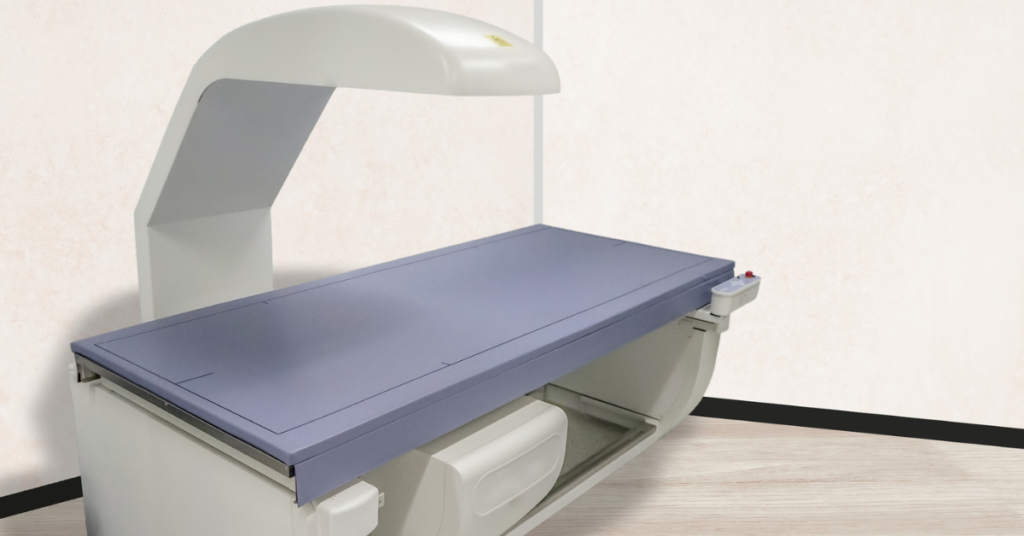
The third part of understanding a DXA scan is knowing what the appointment involves. Many people imagine something long or uncomfortable, but the process is simple, painless, and usually completed in under ten minutes. You lie on a padded table while the scanning arm passes slowly above your body. There is no enclosed space, no loud noises, and no need for special clothing aside from removing anything with metal. The radiation exposure is extremely low, typically lower than a cross-country flight. After the scan, the machine compiles a detailed report that includes bone density scores, fat distribution, and lean muscle mass. These reports are easy to interpret with the help of your provider and can be used to track changes over time.

The fourth benefit of DXA scanning is the way it can transform fitness and health strategies. For individuals who are working to lose weight, build muscle, or improve athletic performance, the ability to see detailed changes in fat and muscle is invaluable. A scale cannot tell you if your progress is real change or simply water shifts. A DXA scan can show whether fat is decreasing, muscle is increasing, or visceral fat is improving—information that can dramatically influence training routines and nutrition plans. Athletes often use DXA scans to monitor symmetry between the left and right sides of the body, track the effects of new workout programs, and optimize their overall physical performance.
The fifth reason DXA scans are gaining popularity is their role in preventative health. Beyond bone density and fitness metrics, a DXA scan can identify visceral fat, which is the type of fat stored deep around organs. High levels of visceral fat are associated with heart disease, diabetes, inflammation, and metabolic disorders. Since visceral fat cannot be measured accurately through most consumer tools, the DXA scan’s ability to quantify it makes it an invaluable preventative screening tool. By understanding these numbers early, individuals can make targeted lifestyle changes to lower their risk of future health problems.
A beginner’s guide would not be complete without addressing who should consider getting a DXA scan. Individuals over 50, menopausal women, people recovering from eating disorders, athletes, and anyone on a weight-loss or muscle-building program can all benefit. Those with chronic illnesses, hormonal disorders, or long-term medication use may also need periodic scans. Even healthy adults in their twenties and thirties can gain insight into their baseline numbers, allowing them to track changes as they age.
In summary, a DXA scan offers an exceptional level of insight into bone health, muscle mass, fat distribution, and long-term wellness. Its accuracy, simplicity, and ability to detect issues early make it one of the most valuable tools in modern health care. Whether you are looking to prevent disease, optimize performance, or simply understand your body better, a DXA scan provides clarity that few other tests can match.
Schedule Your Appointment Today
Schedule your DXA scan at DXA Body Composition NC. And take the first proactive step towards understanding and optimizing your health. Our process is quick, painless, and performed on an outpatient basis. The machines we use are comfortable and open, ensuring a stress-free experience.
Don’t let your health journey be a mystery; let DXA Body Composition NC be your guide. Take the next step by scheduling your DXA scan appointment. Contact us today to discover the precision, accuracy, and personalized insights that will propel you toward your health and fitness goals. Your journey to optimal well-being starts here.