

When your doctor recommends a medical scan involving radiation, it’s natural to pause and ask, “Is this safe?” One test that often raises this question is the DXA scan (also called DEXA), which is commonly used to measure bone density and assess body composition. While it does involve low-dose X-rays, the truth is that a DXA scan is among the safest imaging procedures available in modern medicine.
If you’re considering a DXA scan or have one scheduled, here’s everything you need to know about its safety—and why it’s an important, low-risk tool for protecting your long-term health.
Understanding the Technology
A DXA scan uses two low-energy X-ray beams to measure how much of the X-ray passes through the bones and soft tissue. This dual-energy technique helps distinguish bone from muscle and fat with great precision. It’s primarily used to detect osteoporosis, assess fracture risk, and analyze body composition.
Compared to other diagnostic tools like CT scans or regular X-rays, the radiation dose in a DXA scan is extremely low. In fact, the amount of radiation you receive from a DXA scan is roughly equivalent to the natural background radiation you’d be exposed to during a cross-country flight in the United States—or just one-tenth the amount of a standard chest X-ray.
How Much Radiation Is Involved?
The exact radiation dose can vary slightly depending on the equipment used and the area of the body being scanned. However, on average, a DXA scan exposes you to about 0.001 to 0.005 millisieverts (mSv) of radiation. To put that in context:
A chest X-ray exposes you to about 0.1 mSv
A CT scan of the abdomen can expose you to 10 mSv or more
Average background radiation from natural sources (sunlight, soil, air) is about 3 mSv per year
In simple terms, the radiation from a DXA scan is extremely minimal—especially when compared to other medical imaging techniques.
Who Should Be Cautious?
While DXA scans are considered safe for the vast majority of people, there are a few exceptions. The most notable group is pregnant women. Although the radiation is very low, it’s standard medical practice to avoid any unnecessary radiation exposure during pregnancy unless absolutely necessary. If there’s a possibility you may be pregnant, be sure to tell your healthcare provider before the scan.
Children and adolescents typically don’t require DXA scans unless there’s a specific medical reason—such as monitoring bone development in cases of chronic illness or growth disorders. In these cases, the benefits of the scan are carefully weighed against the minimal risk of radiation exposure.
Why the Benefits Outweigh the Risks
For people at risk of osteoporosis or bone loss, the information from a DXA scan can be life-changing. Osteoporosis is known as a “silent disease” because you usually don’t notice symptoms until a bone breaks. By the time that happens, the damage is already done. A DXA scan can detect low bone density early, giving patients and their doctors a chance to take action with lifestyle changes, supplements, or medications.
The same applies to body composition analysis. Whether you’re trying to lose fat, build muscle, manage a medical condition, or simply track how your body is responding to diet and exercise, a DXA scan provides an accurate and safe way to measure real progress. Unlike bathroom scales or BMI calculators, DXA scans tell you exactly how much fat, lean tissue, and bone mass you have—and where it’s distributed in your body.
In clinical settings, DXA scans are also used to monitor the effectiveness of treatments for osteoporosis and other conditions that affect bone health. Without it, doctors would have no precise way to know if a medication is working or if bone density is continuing to decline.
Minimal Preparation and No Downtime
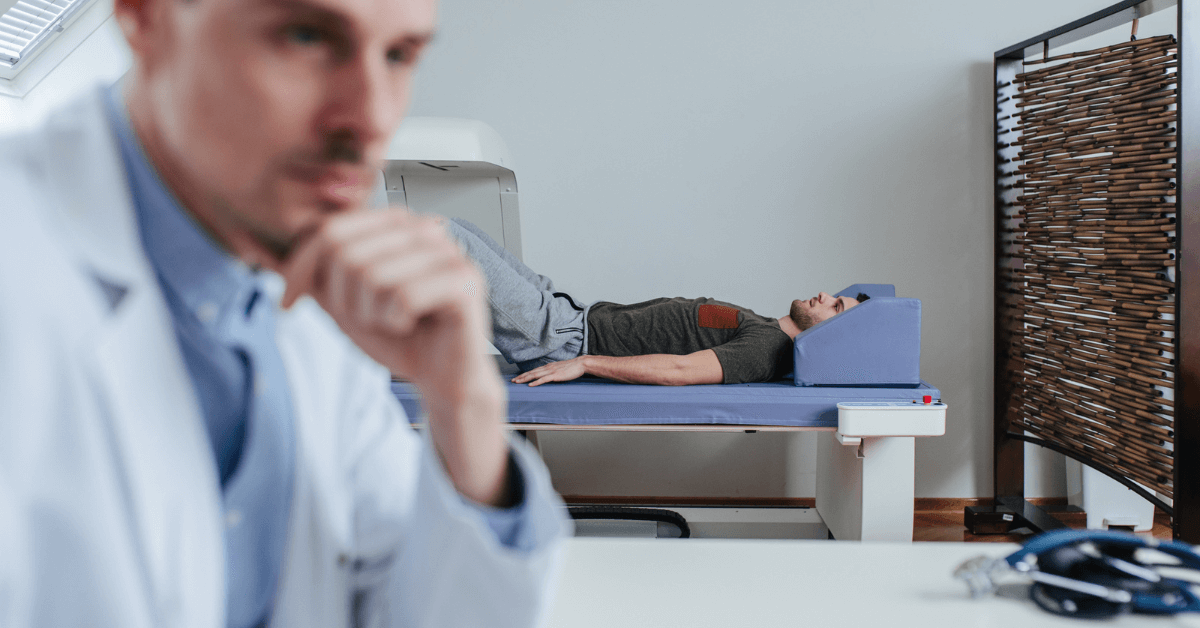
Another safety advantage is that DXA scans are non-invasive and require no injections, dyes, fasting, or recovery time. You simply lie still on a table for about 10 to 20 minutes while the scanner does its job. There is no discomfort, and you can resume normal activities immediately afterward.
In Summary
A DXA scan is one of the safest and most valuable diagnostic tools available in healthcare. Its low radiation exposure is far outweighed by the benefits it provides in detecting osteoporosis, preventing fractures, and understanding body composition. For most people, the scan offers peace of mind, accurate health data, and early detection of potential problems—without any significant risk.
If you have concerns about radiation or whether a DXA scan is right for you, talk with your healthcare provider. They can explain why the scan is being recommended and how the results can help guide your long-term health decisions.
Schedule Your Appointment Today
Schedule your DXA scan at DXA Body Composition NC. And take the first proactive step towards understanding and optimizing your health. Our process is quick, painless, and performed on an outpatient basis. The machines we use are comfortable and open, ensuring a stress-free experience.
Don’t let your health journey be a mystery; let DXA Body Composition NC be your guide. Take the next step by scheduling your DXA scan appointment. Contact us today to discover the precision, accuracy, and personalized insights that will propel you toward your health and fitness goals. Your journey to optimal well-being starts here.