

Osteoporosis is often called a “silent disease” because it develops gradually and without obvious symptoms—until a fracture occurs. By that point, bone loss may already be significant. Fortunately, modern diagnostic tools make it possible to detect changes in bone density early, giving individuals a chance to take action before serious complications arise. One of the most effective and widely used tools for this purpose is the DXA scan.
A DXA (dual-energy X-ray absorptiometry) scan is a quick, non-invasive imaging test that measures bone mineral density (BMD). It is considered the gold standard for diagnosing osteoporosis and assessing fracture risk. Unlike standard X-rays, which typically only reveal bone loss after it becomes severe, a DXA scan can detect even small decreases in bone density—making it invaluable for early detection.
Understanding Osteoporosis
Osteoporosis occurs when bones become weak and brittle due to a loss of density and structural integrity. This increases the risk of fractures, particularly in the hips, spine, and wrists. The condition is especially common in postmenopausal women due to hormonal changes, but it can affect men and younger individuals as well.
Risk factors include aging, family history, low body weight, smoking, excessive alcohol consumption, and certain medications or medical conditions. Because these risk factors are common, early screening is essential—even for individuals who feel healthy.

How a DXA Scan Works
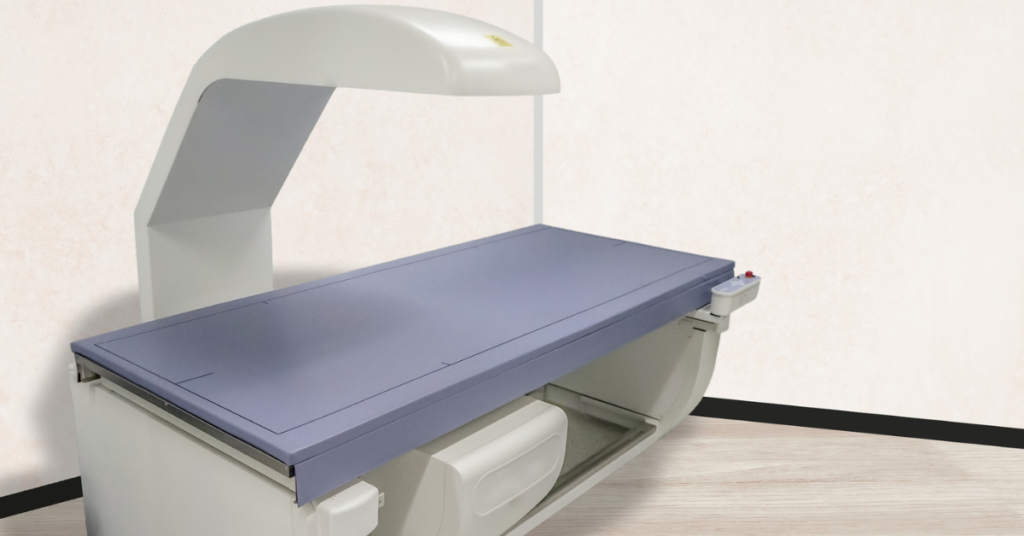
A DXA scan uses two low-dose X-ray beams to measure bone density, usually at the hip and spine. The procedure is painless, takes about 10–20 minutes, and requires no special preparation. Patients simply lie on a table while the scanner passes over their body.
The results are reported as T-scores and Z-scores. A T-score compares your bone density to that of a healthy young adult, while a Z-score compares it to others in your age group. A T-score of -1.0 or above is considered normal, between -1.0 and -2.5 indicates low bone mass (osteopenia), and -2.5 or lower is diagnostic for osteoporosis.
The Importance of Early Detection
One of the greatest advantages of a DXA scan is its ability to identify bone loss before fractures occur. Early detection allows for timely intervention, which can significantly slow or even halt the progression of osteoporosis.
When osteoporosis is caught early, individuals can make lifestyle changes such as increasing calcium and vitamin D intake, engaging in weight-bearing exercise, and quitting smoking. In some cases, healthcare providers may also recommend medications to strengthen bones and reduce fracture risk.
Without early detection, osteoporosis often goes unnoticed until a minor fall results in a serious fracture. These fractures can lead to chronic pain, reduced mobility, and a decreased quality of life—especially in older adults.
Monitoring Bone Health Over Time
DXA scans are not just useful for diagnosis; they also play a crucial role in monitoring bone health over time. For individuals already diagnosed with osteoporosis or osteopenia, periodic scans can track changes in bone density and evaluate the effectiveness of treatment.
This ongoing monitoring helps healthcare providers adjust treatment plans as needed. For example, if bone density continues to decline despite medication, alternative therapies may be considered. Conversely, stable or improved results can provide reassurance that current strategies are working.
Who Should Get a DXA Scan?
Medical guidelines generally recommend DXA screening for women aged 65 and older and men aged 70 and older. However, younger individuals with risk factors—such as a history of fractures, long-term steroid use, or certain chronic diseases—may also benefit from earlier screening.
Schedule Your Appointment Today
Schedule your DXA scan at DXA Body Composition NC. And take the first proactive step towards understanding and optimizing your health. Our process is quick, painless, and performed on an outpatient basis. The machines we use are comfortable and open, ensuring a stress-free experience.
Don’t let your health journey be a mystery; let DXA Body Composition NC be your guide. Take the next step by scheduling your DXA scan appointment. Contact us today to discover the precision, accuracy, and personalized insights that will propel you toward your health and fitness goals. Your journey to optimal well-being starts here.