

When it comes to understanding your body composition, stepping on a scale only tells part of the story. Weight alone cannot distinguish between fat, muscle, bone, and water. That’s where a DXA scan (Dual-Energy X-ray Absorptiometry) becomes a powerful tool. Originally developed to assess bone density, DXA technology has evolved into one of the most accurate and insightful ways to measure body fat and overall composition.
A DXA scan works by passing two low-dose X-ray beams through the body. These beams are absorbed differently by bone, lean tissue, and fat tissue, allowing the machine to distinguish between each component. The result is a highly detailed breakdown of your body composition, including total body fat percentage, lean muscle mass, and bone mineral density. Unlike traditional methods such as BMI (Body Mass Index) or even skinfold calipers, a DXA scan provides precise, region-specific data.
One of the biggest advantages of a DXA scan is its accuracy. Many common body fat measurement methods rely on estimates and assumptions. For example, BMI does not account for muscle mass, meaning a muscular individual could be classified as overweight or obese. Similarly, bioelectrical impedance scales can be influenced by hydration levels, leading to inconsistent results. DXA scans, on the other hand, are considered a gold standard because they directly measure tissue composition with minimal variability.
Another key benefit is the ability to see where fat is distributed throughout the body. Not all fat is created equal. Visceral fat, which accumulates around internal organs, is associated with higher risks of conditions like heart disease, diabetes, and metabolic syndrome. Subcutaneous fat, found just under the skin, is generally less harmful. A DXA scan can differentiate between these types and show how fat is distributed in areas such as the abdomen, arms, and legs. This level of detail allows for a more targeted and informed approach to health and fitness.
DXA scans are also incredibly useful for tracking progress over time. If you are working toward fat loss or muscle gain, the scale might not reflect your true progress. For example, you could lose fat while gaining muscle, resulting in little to no change in weight. A DXA scan can reveal these changes clearly by showing reductions in fat mass alongside increases in lean mass. This makes it an excellent tool for athletes, fitness enthusiasts, or anyone committed to improving their body composition.
Beyond fitness goals, DXA scans can play an important role in overall health management. By identifying unhealthy fat levels or imbalances in body composition, individuals can take proactive steps to reduce their risk of chronic disease. Healthcare providers may use DXA results to guide recommendations for diet, exercise, or medical interventions. In this way, the scan becomes not just a diagnostic tool, but a roadmap for long-term health.
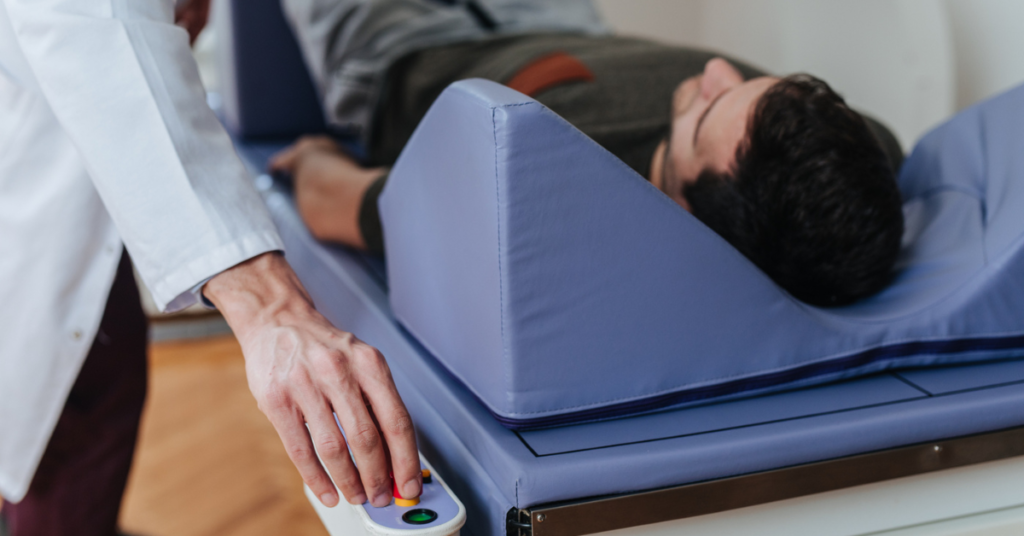
The process itself is simple, quick, and non-invasive. During a DXA scan, you lie still on a table while a scanning arm moves over your body. The procedure typically takes about 10 to 20 minutes and involves minimal radiation exposure—far less than a standard CT scan. There is no discomfort, no needles, and no recovery time, making it accessible for most individuals.
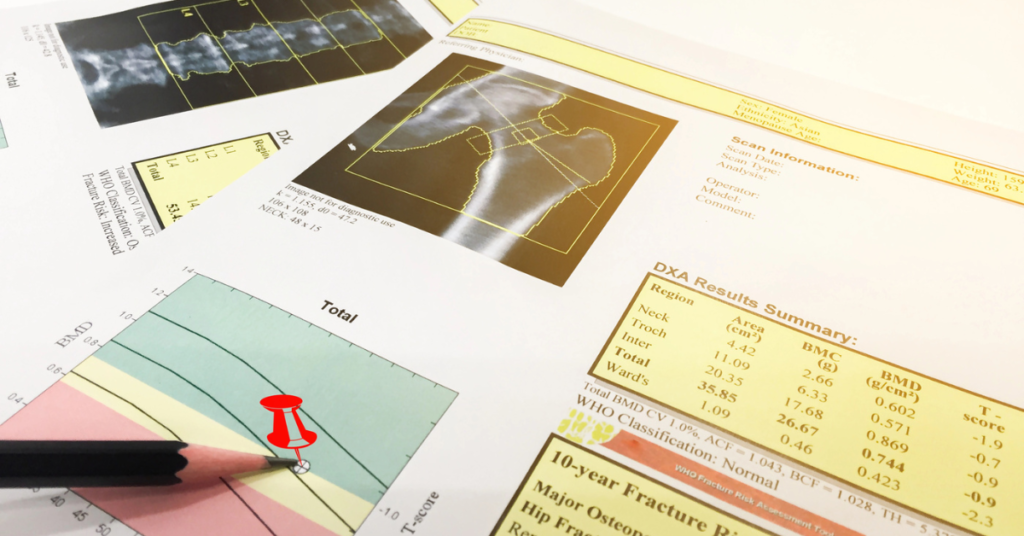
It’s also worth noting that DXA scans can be particularly motivating. Seeing a detailed visual representation of your body composition can provide clarity and encouragement. Instead of relying on guesswork or fluctuating numbers on a scale, you gain concrete evidence of your progress. This can help reinforce healthy habits and keep you focused on long-term goals rather than short-term fluctuations.
However, like any tool, DXA scans are most effective when used appropriately. They are not necessary for everyone, and their cost and availability can vary. For some people, simpler methods of tracking progress may be sufficient. But for those who want a deeper understanding of their body or need precise data for medical or performance reasons, a DXA scan offers unmatched insight.
In conclusion, a DXA scan is a powerful and reliable way to measure body fat and overall body composition. Its accuracy, ability to differentiate fat types, and usefulness in tracking progress make it a valuable tool for both health and fitness. By going beyond the limitations of traditional measurements, DXA scans provide a clearer picture of what’s happening inside your body—empowering you to make smarter, more informed decisions on your journey to better health.
Schedule Your Appointment Today
Schedule your DXA scan at DXA Body Composition NC. And take the first proactive step towards understanding and optimizing your health. Our process is quick, painless, and performed on an outpatient basis. The machines we use are comfortable and open, ensuring a stress-free experience.
Don’t let your health journey be a mystery; let DXA Body Composition NC be your guide. Take the next step by scheduling your DXA scan appointment. Contact us today to discover the precision, accuracy, and personalized insights that will propel you toward your health and fitness goals. Your journey to optimal well-being starts here.