

Osteoporosis is often called a “silent disease” because it progresses without obvious symptoms until a fracture occurs. By the time a person realizes they have weak or brittle bones, they may have already suffered a significant injury such as a hip or spine fracture. That’s why early detection is so critical. One of the most effective tools for identifying osteoporosis before it leads to serious problems is the DXA scan, also known as a bone density test.
DXA stands for Dual-Energy X-ray Absorptiometry. It’s a specialized scan that measures bone mineral density (BMD), giving doctors a clear picture of how strong or weak your bones are. The test is painless, non-invasive, and relatively quick—usually completed in less than 30 minutes. More importantly, it can detect early signs of bone loss long before a fracture occurs.
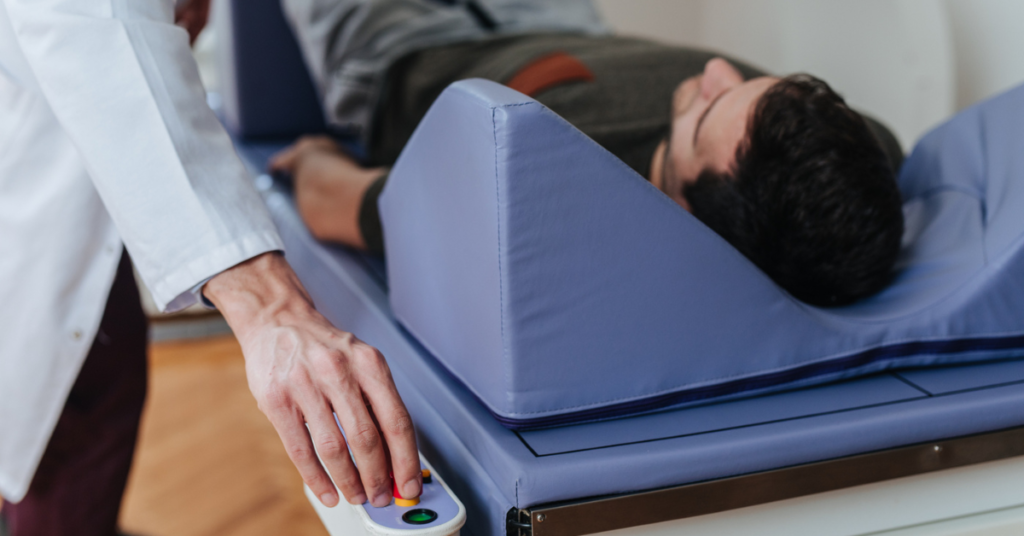
The DXA scan typically focuses on bones that are most likely to break due to osteoporosis, such as the spine, hips, and sometimes the forearm. These areas are chosen because they’re weight-bearing and prone to fractures that can seriously affect mobility and quality of life. The scan uses two low-dose X-ray beams that pass through the bone at different energy levels. By comparing the absorption of each beam, the machine calculates bone density with high accuracy.
Understanding the results of a DXA scan is crucial for early intervention. The scan provides a T-score, which compares your bone density to that of a healthy 30-year-old adult. A T-score of -1.0 or above is considered normal. A T-score between -1.0 and -2.5 indicates low bone mass, also known as osteopenia, which is a warning sign. A T-score of -2.5 or lower confirms a diagnosis of osteoporosis. This scoring system helps healthcare providers determine your risk of fracture and whether you need treatment or lifestyle changes.
The importance of early detection through DXA scanning cannot be overstated, especially for individuals at higher risk. Postmenopausal women are particularly vulnerable due to the rapid decline in estrogen, which plays a key role in maintaining bone density. However, osteoporosis is not limited to women. Men over the age of 70, individuals with a family history of the disease, smokers, people with certain autoimmune conditions, and those taking long-term corticosteroids are also at elevated risk.
In many cases, a DXA scan is recommended for women over 65 and men over 70 as part of routine health screening. However, younger individuals with risk factors may also benefit from early testing. By identifying low bone density before it becomes severe, doctors can recommend preventive strategies that may include dietary changes, weight-bearing exercises, calcium and vitamin D supplementation, and, when appropriate, medication.
One of the advantages of the DXA scan is its ability to monitor changes over time. If you’ve already been diagnosed with osteopenia or osteoporosis, repeat scans can show whether your bone density is stable, improving, or worsening. This feedback helps guide treatment decisions and can motivate patients to stay consistent with medications or lifestyle changes.
In addition to identifying osteoporosis, DXA scans can also help assess fracture risk using a tool called FRAX, developed by the World Health Organization. The FRAX score combines bone density results with other risk factors such as age, sex, weight, smoking status, and history of previous fractures. This tool estimates your 10-year probability of experiencing a major osteoporotic fracture, such as those in the hip, spine, or forearm. With this information, healthcare providers can tailor a personalized prevention or treatment plan.
Despite the value of DXA scans, many people delay or avoid getting tested. This is often due to a lack of awareness or misconceptions about who is at risk. Some may assume that osteoporosis is only a concern for very elderly individuals, but bone loss can begin in the 30s or 40s and often goes unnoticed until it’s advanced. Others may worry about radiation exposure, but DXA scans use a very low dose—much less than a standard chest X-ray and significantly lower than a CT scan.

Early detection is one of the most powerful tools in fighting osteoporosis. A DXA scan allows individuals and healthcare providers to act before serious damage occurs. It opens the door to early interventions that can strengthen bones, reduce the risk of fractures, and preserve independence and quality of life well into old age.
If you or a loved one falls into a high-risk category—or even if you’re just concerned about bone health—it may be time to talk to your doctor about scheduling a DXA scan. Being proactive today could mean avoiding life-altering injuries tomorrow.
Schedule Your Appointment Today
Schedule your DXA scan at DXA Body Composition NC. And take the first proactive step towards understanding and optimizing your health. Our process is quick, painless, and performed on an outpatient basis. The machines we use are comfortable and open, ensuring a stress-free experience.
Don’t let your health journey be a mystery; let DXA Body Composition NC be your guide. Take the next step by scheduling your DXA scan appointment. Contact us today to discover the precision, accuracy, and personalized insights that will propel you toward your health and fitness goals. Your journey to optimal well-being starts here.