

A DXA scan, also known as a DEXA scan, is one of the most common and reliable tests used to measure bone density. DXA stands for dual-energy X-ray absorptiometry. It is a quick, noninvasive imaging test that helps doctors evaluate bone strength and assess a person’s risk of fractures. Most often, it is used to diagnose osteoporosis or osteopenia and to monitor how well treatment is working.
Bone health becomes increasingly important as people age. Conditions like osteoporosis can develop silently over time, weakening bones without obvious symptoms until a fracture occurs. A DXA scan allows physicians to detect changes in bone density early, often before a break happens. This makes it a valuable tool in preventive care.
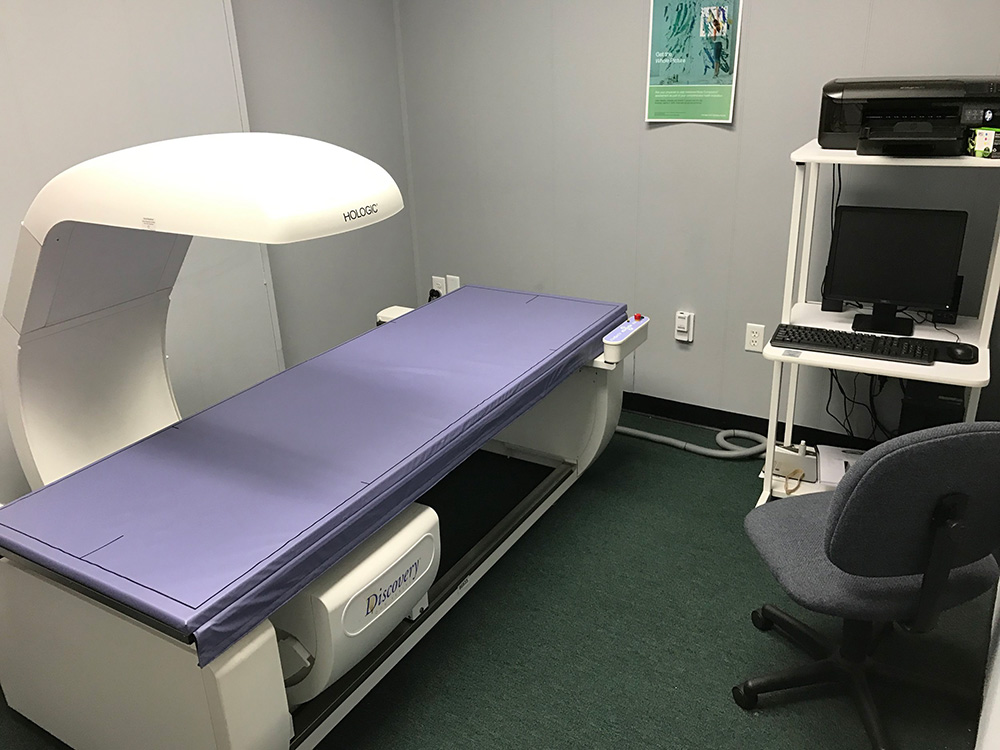
During a DXA scan, you lie comfortably on a padded table while a scanning arm passes slowly over your body. The machine uses two low-dose X-ray beams at different energy levels to measure how much calcium and other minerals are present in your bones. The most common areas scanned are the hip and lower spine, since fractures in these areas are especially serious and common in individuals with low bone density. In some cases, the forearm may also be scanned.

Close up Bone Densitometry Result on the table in room doctor.Healthcare and technology concept.
The test is painless and typically takes about 10 to 20 minutes. There are no injections, no enclosed spaces, and no special preparations for most people. You may be asked to avoid calcium supplements for 24 hours before the test, and you should wear comfortable clothing without metal zippers or buttons, as metal can interfere with the images.
Results from a DXA scan are reported as T-scores and Z-scores. The T-score compares your bone density to that of a healthy young adult of the same sex. A T-score of -1.0 or above is considered normal. A score between -1.0 and -2.5 indicates osteopenia, meaning low bone mass. A score of -2.5 or lower is diagnostic for osteoporosis. The Z-score compares your bone density to others your age and can help determine whether factors other than aging may be contributing to bone loss.
One of the most common questions people ask is whether a DXA scan is safe. The short answer is yes, it is considered very safe. Although it uses X-rays, the radiation exposure is extremely low. In fact, the amount of radiation from a DXA scan is typically less than what you would receive during a standard chest X-ray and is comparable to the natural background radiation you are exposed to over the course of a day. Because the radiation dose is so small, the test is generally regarded as safe for routine use, particularly in individuals who are at risk for osteoporosis.
However, as with any medical imaging that involves radiation, it is usually not recommended during pregnancy unless absolutely necessary. If you think you might be pregnant, you should inform your healthcare provider before the scan. For most other individuals, including older adults who may need periodic monitoring, the benefits of detecting and managing bone loss far outweigh the minimal risks associated with radiation exposure.
Beyond diagnosing osteoporosis, DXA scans are also used to monitor treatment. If you are taking medications to improve bone density, your doctor may recommend follow-up scans every one to two years to evaluate progress. This helps determine whether a treatment plan is effective or needs adjustment.
In addition to bone density testing, some facilities use DXA technology to assess body composition. These scans can measure body fat percentage, lean muscle mass, and fat distribution. While this application is different from traditional bone density testing, it uses the same low-dose X-ray principles. Body composition scans are sometimes used in sports medicine, weight management programs, and metabolic research.
It is important to remember that a DXA scan is just one part of evaluating fracture risk. Doctors also consider other factors such as age, family history, prior fractures, smoking status, alcohol use, and certain medical conditions or medications that can affect bone health. In many cases, bone density results are combined with clinical risk assessment tools to provide a more complete picture.
If you are over age 65, are postmenopausal, have a history of fractures, or have risk factors for bone loss, your healthcare provider may recommend a DXA scan as part of routine screening. Men over age 70 or younger individuals with significant risk factors may also benefit from testing.
In summary, a DXA scan is a simple, fast, and highly effective way to measure bone density and assess fracture risk. It plays a crucial role in diagnosing osteoporosis and monitoring treatment. The procedure is noninvasive, painless, and involves very minimal radiation exposure. For most people, it is not only safe but an important step in protecting long-term bone health.
Schedule Your Appointment Today
Schedule your DXA scan at DXA Body Composition NC. And take the first proactive step towards understanding and optimizing your health. Our process is quick, painless, and performed on an outpatient basis. The machines we use are comfortable and open, ensuring a stress-free experience.
Don’t let your health journey be a mystery; let DXA Body Composition NC be your guide. Take the next step by scheduling your DXA scan appointment. Contact us today to discover the precision, accuracy, and personalized insights that will propel